© Frank Le Blancq
Plémont Bay, Jersey
Latitude: 49° 15' 21'' N
Longitude: 2° 13' 52'' W
04 September 2013 1426 (Local Time)
Camera direction: towards WNW
Image P/S code: S.11.1.1.4
Image I.D.: 5076
-
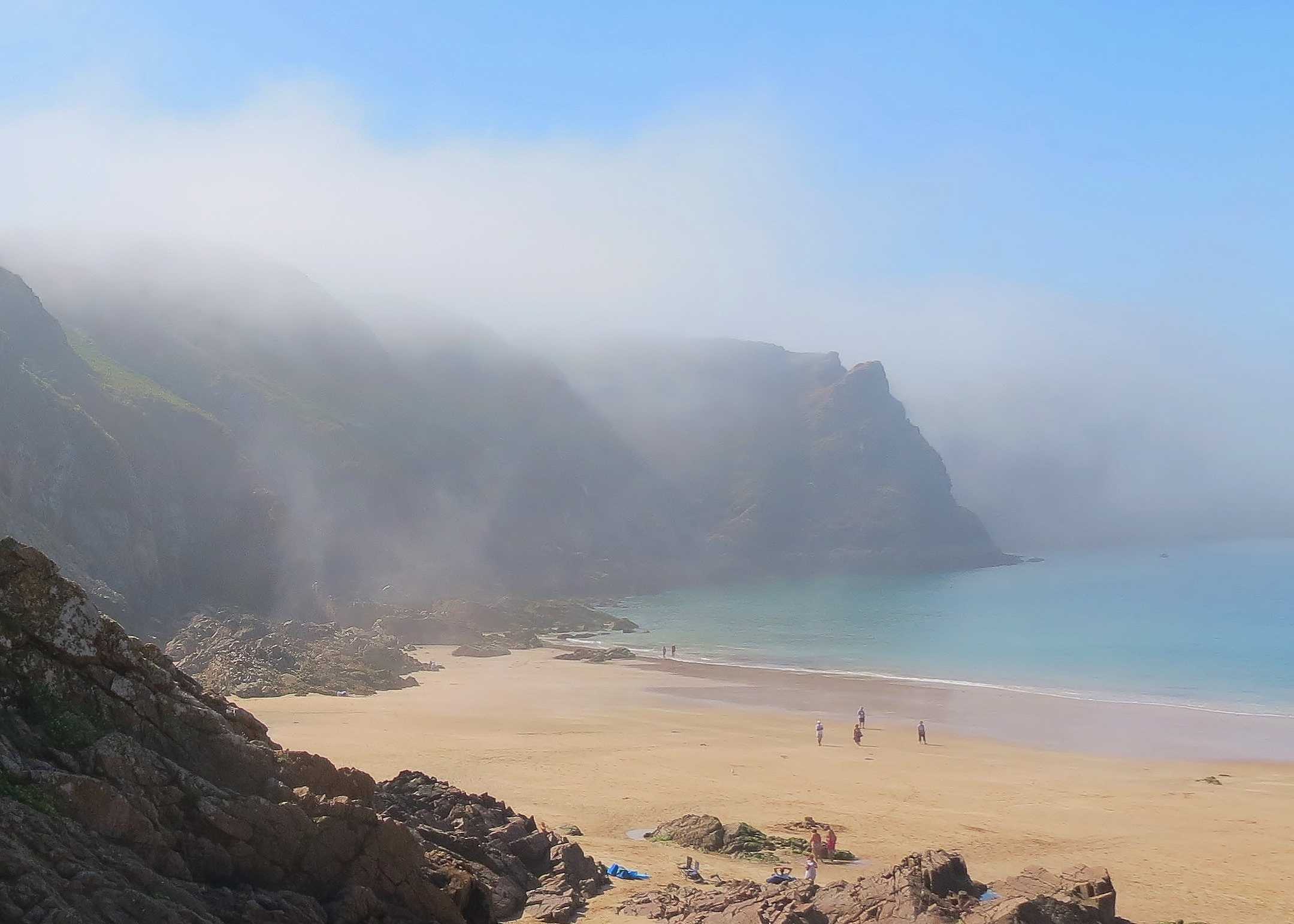
Advection fog/sea fog
The image shows sea fog advecting on to the coast. Thick fog had formed in a moist air mass over a relatively cool sea (17 °C) and can be seen on the right. As the land heated during the day to 27 °C at the time of the image, coastal breezes developed in a slack pressure gradient, advecting the fog over the coastline. The cliffs allow the fog depth to be estimated at 50 to 100 m (200 to 250 ft), with clear sky above.
Links in the image description will highlight features on the image. Mouse over the features for more detail.
© Frank Le BlancqPlémont Bay, JerseyLatitude: 49° 15' 21'' NLongitude: 2° 13' 52'' W04 September 2013 1426 (Local Time)Camera direction: towards WNWImage P/S code: S.11.1.1.4Image I.D.: 5076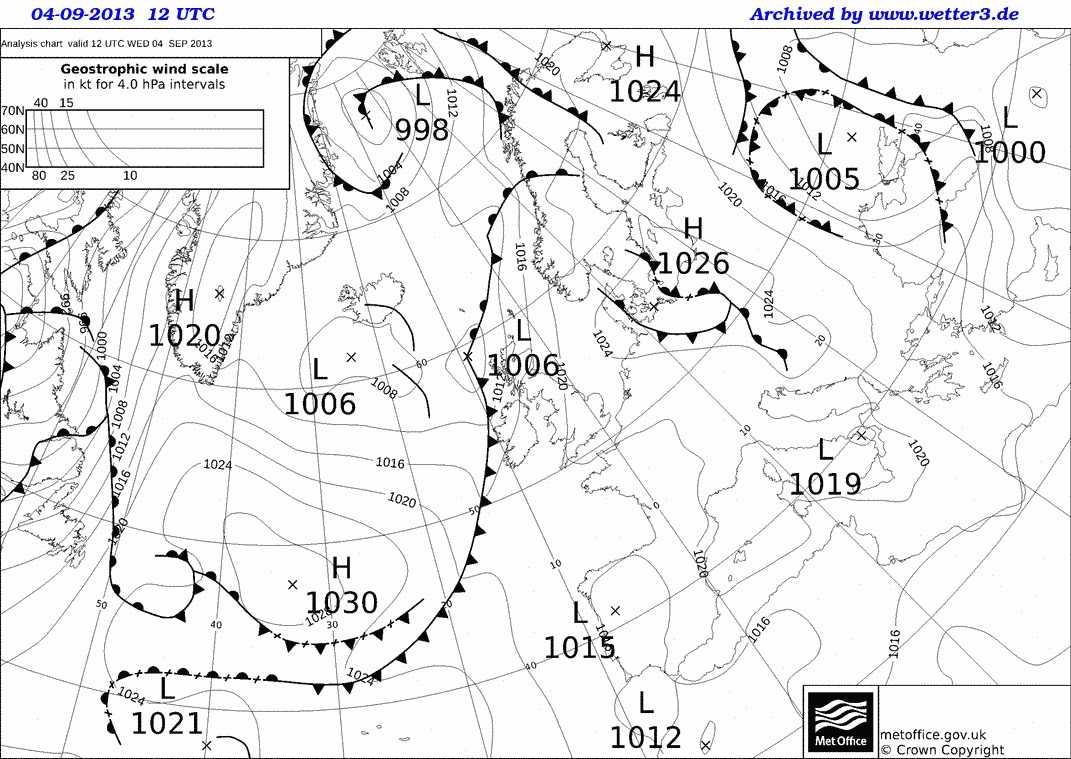
At 1200 UTC, slack pressure covered southern UK and France, including the west English Channel where the image was taken. Light winds and coastal sea breezes prevailed over this area.
© Crown Copyright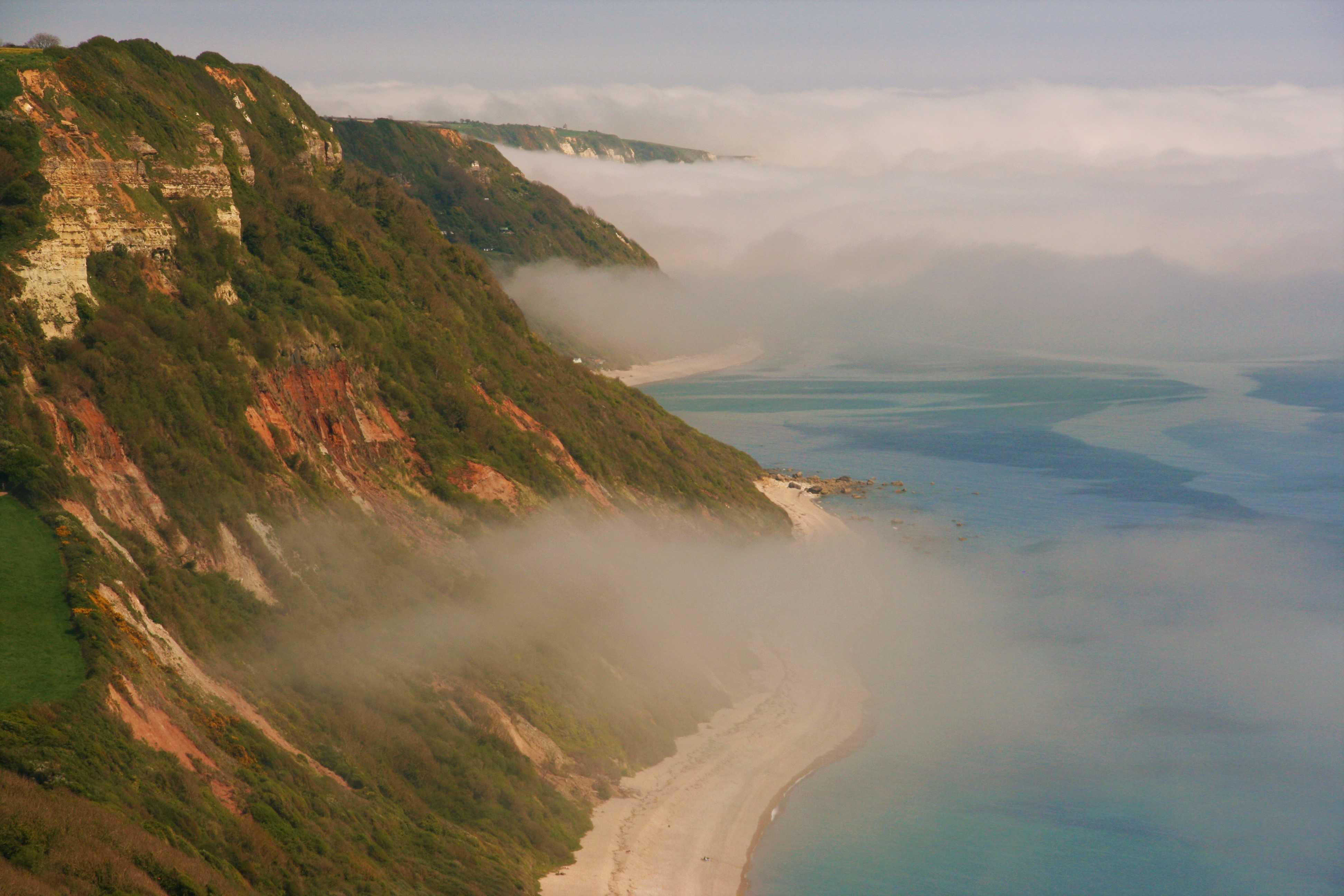
Advection fog/sea fog
Advection fog is formed when relatively warm, moist air moves (advects) over a cooler surface and the temperature of the air is cooled to saturation by contact with the cold surface. One example of advection fog is sea fog.
This picture shows sea fog at Weston Mouth, Devon, England, UK. It formed as a relatively moist air mass was advected over the relatively cool waters of the English Channel.
In the foreground, on the edge of the bank of sea fog, the cloud has lifted off the surface to form a low Stratus.
Links in the image description will highlight features on the image. Mouse over the features for more detail.
© Matthew ClarkWeston Mouth, Salcombe Regis, United Kingdom of Great Britain and Northern IrelandLatitude: 50° 41' 1'' NLongitude: 3° 11' 56'' W06 May 2013 1230 (Local Time)Camera direction: towards ESEImage P/S code: P.11.1.1.4Image I.D.: 5025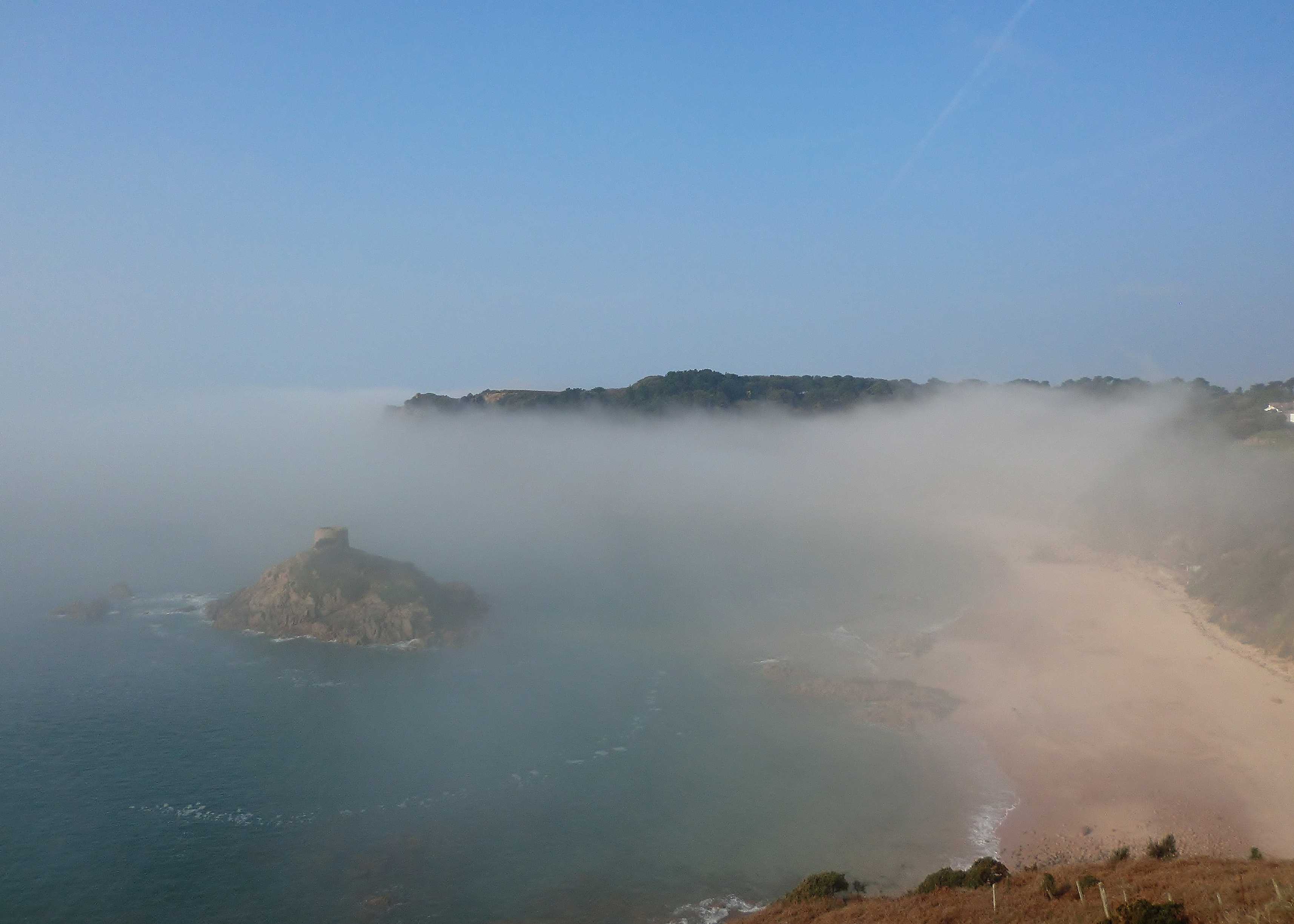
Sea fog/advection fog
In this image, sea fog is advecting onto the coast. Thick fog has formed over the sea (temperature 8 °C) and shrouds the headland behind the tower. A slightly warmer land temperature (about 10 °C) has created a light coastal breeze, advecting the fog inland, where it is thinning immediately in front of the photographer. The headland enables the depth of the fog to be estimated at about 50 m (150 ft), which is consistent with a representative sounding that shows a very sharp and shallow inversion.
Links in the image description will highlight features on the image. Mouse over the features for more detail.
© Frank Le BlancqPortelet Bay, St Brelade, JerseyLatitude: 49° 10' 17'' NLongitude: 2° 10' 27'' W01 March 2012 1010 (Local Time)Camera direction: towards WSWImage P/S code: P.11.1.1.4.1Image I.D.: 5126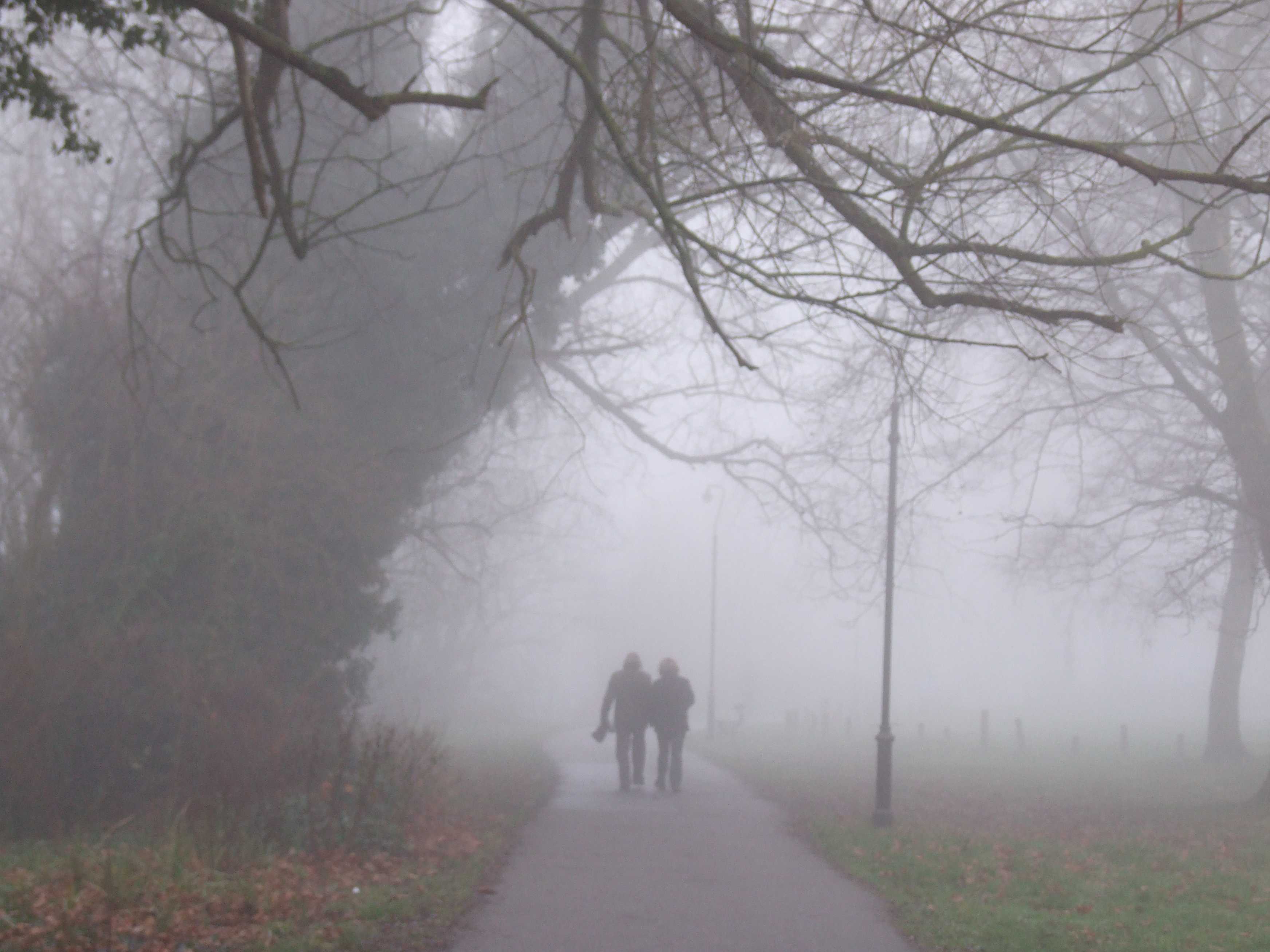
Fog
Fog is a suspension of very small, usually microscopic water droplets in the air, reducing visibility at the Earth's surface. The term is used when the horizontal visibility is reduced to less than 1 km. In this picture the visibility is only about 100 m.
The reduction in visibility depends on the structure of the fog, and especially on the number density and size distribution of the droplets. The structure may vary a great deal in time and space. However, in this particular example on the banks of the River Thames in Reading, England, UK at 1500 hours in the afternoon, the visibility changed only slowly and the fog persisted throughout the day.
A ridge of high pressure extended over southern England from an anticyclone centred over continental Europe.
Links in the image description will highlight features on the image. Mouse over the features for more detail.
© George AndersonReading, United Kingdom of Great Britain and Northern IrelandLatitude: 51° 27' 41'' NLongitude: 0° 57' 58'' W23 December 2007 1500 (Local Time)Camera direction: towards WImage P/S code: P.11.1.1Image I.D.: 4697